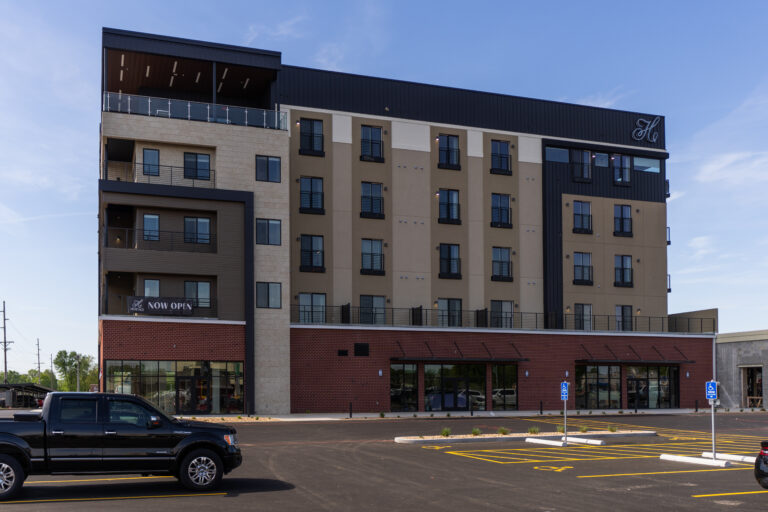
EIFS: The Architect’s Solution to Modern Building Challenges
Modern architecture faces unprecedented challenges. Rising energy costs, stringent building codes, demanding sustainability requirements, and clients who expect both aesthetic excellence and functional performance create a complex puzzle for today’s architects. Enter Exterior Insulation and Finish Systems (EIFS)—a versatile building envelope solution that addresses multiple architectural challenges while delivering outstanding results.
EIFS represents more than just an exterior cladding system. This innovative technology combines continuous insulation, moisture management, and design flexibility into a single, comprehensive solution. For architects seeking to balance sustainability, compliance, aesthetics, and performance, EIFS offers a pathway to successful project outcomes that satisfy both clients and regulatory requirements.
Understanding how EIFS can solve architectural challenges empowers you to make informed decisions that enhance your projects while streamlining the design and construction process. Let’s explore the specific ways this proven technology addresses the most pressing concerns facing architects today.
Energy Efficiency and Thermal Performance
Building energy codes continue to tighten, pushing architects to find innovative solutions for thermal performance. EIFS excels in this area by providing continuous insulation that eliminates thermal bridging—a common issue with traditional construction methods.
The continuous insulation layer in EIFS systems typically ranges from R-13 to R-20 or higher, depending on climate zone requirements. This uninterrupted thermal barrier wraps the entire building envelope, creating a consistent temperature boundary that dramatically reduces energy consumption for heating and cooling.
Unlike cavity insulation that can leave gaps around structural members, EIFS maintains thermal integrity across the entire wall assembly. This consistency helps architects meet increasingly stringent energy codes while providing building owners with lower operational costs—a compelling value proposition that resonates with environmentally conscious clients.
Design Flexibility and Aesthetic Freedom
Architectural creativity shouldn’t be constrained by building envelope limitations. EIFS removes many traditional design barriers by accommodating complex geometries, curved surfaces, and intricate architectural details that would be difficult or impossible with conventional cladding systems.
The malleable nature of EIFS allows architects to create custom textures, patterns, and architectural features directly integrated into the wall system. Whether designing contemporary commercial buildings with sharp angular features or residential projects requiring traditional architectural elements, EIFS adapts to your vision.
Color options extend far beyond standard material limitations. The finish coat can be tinted to virtually any color, eliminating the need to compromise on aesthetic goals due to material availability. This flexibility proves particularly valuable when matching existing structures or achieving specific design objectives for corporate branding or neighborhood compatibility.
Moisture Management and Building Durability
Moisture infiltration ranks among the most serious concerns for building longevity and occupant health. EIFS incorporates advanced moisture management strategies that protect the building structure while maintaining the integrity of the thermal envelope.
Modern EIFS systems feature drainage planes that allow any moisture that penetrates the finish coat to drain away safely. These systems include flashings, sealants, and drainage mechanisms specifically engineered to handle moisture loads typical in various climate conditions.
The system’s design prevents moisture from reaching structural components, reducing the risk of mold, rot, and other moisture-related problems that can compromise building performance and create liability issues. This protection proves especially valuable in mixed-use developments where moisture management failures could affect multiple tenants or residential units.
Code Compliance and Fire Safety
Meeting building codes requires careful coordination between multiple systems and materials. EIFS manufacturers provide comprehensive testing data and code compliance documentation that streamlines the approval process and reduces project delays.
Fire safety requirements vary by building type and occupancy, but EIFS systems offer solutions for virtually every application. Non-combustible EIFS options meet the most stringent fire codes, while standard systems provide adequate protection for residential and many commercial applications.
The integrated nature of EIFS simplifies code compliance documentation since architects work with a single system rather than coordinating multiple materials and assemblies. This integration reduces potential conflicts between different building envelope components and provides clear accountability for performance guarantees.
Sustainable Building Practices
Sustainability concerns drive many architectural decisions, and EIFS contributes to green building objectives through multiple pathways. The energy efficiency provided by continuous insulation directly reduces operational carbon footprints throughout the building’s lifecycle.
Many EIFS products incorporate recycled content, and the system’s durability means longer service life with reduced maintenance requirements. The ability to renovate and refresh EIFS systems extends building lifecycles, reducing demolition waste and the environmental impact of new construction.
Through energy performance, material selection, and durability credits, EIFS can contribute points toward LEED certification and other green building standards. This versatility helps architects meet client sustainability goals while maintaining design freedom.
Cost-Effectiveness and Value Engineering
Budget constraints challenge architects to deliver maximum value without compromising quality or performance. EIFS provides cost advantages through reduced material complexity, faster installation, and lower long-term maintenance requirements.
The integrated nature of EIFS eliminates the need for separate insulation, air barriers, and multiple finish materials. This consolidation reduces material costs, simplifies procurement, and accelerates construction schedules—factors that translate directly to project savings.
Long-term value emerges through energy savings, reduced maintenance requirements, and the ability to refresh appearances without complete system replacement. These lifecycle benefits help justify initial investments while providing building owners with ongoing operational advantages.
Installation Efficiency and Construction Speed
Project schedules often drive material selection decisions. EIFS installation proceeds more quickly than many alternative systems because multiple building envelope functions are addressed simultaneously.
Specialized EIFS contractors bring expertise and efficiency to installations, reducing the coordination complexity between multiple trades. This streamlined approach minimizes weather delays and allows buildings to achieve weather-tight status earlier in the construction process.
The ability to complete both insulation and exterior finishing in integrated steps reduces inspection requirements and simplifies quality control processes. These efficiencies benefit architects by reducing construction administration time and minimizing potential delays that could impact project delivery.
Transform Your Next Project with EIFS
EIFS technology continues advancing to meet evolving architectural needs while maintaining the proven performance characteristics that have made it a reliable choice for thousands of successful projects. From energy efficiency and design flexibility to moisture management and cost-effectiveness, EIFS addresses the multifaceted challenges that define contemporary architectural practice.
Consider how EIFS might enhance your next project by providing integrated solutions to thermal performance, aesthetic goals, and code compliance requirements. Engage with EIFS manufacturers early in the design process to explore how this versatile technology can support your architectural vision while delivering the performance characteristics your clients demand.
The architectural challenges of today require comprehensive solutions that address multiple concerns simultaneously. EIFS provides that integration, enabling architects to focus on design excellence while confident that building envelope performance will meet or exceed expectations.